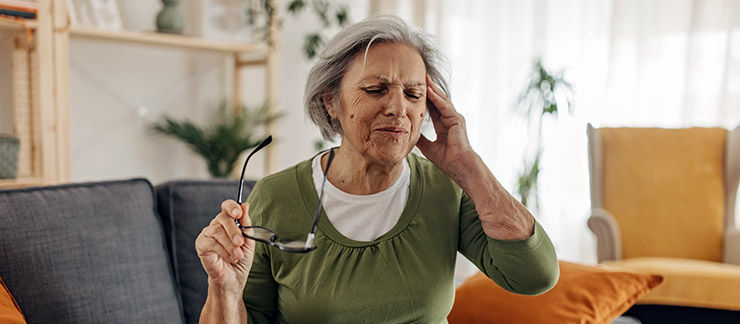
Headaches in seniors can be particularly concerning because they may signal serious underlying health conditions such as medication side effects, blood pressure changes, or other age-related medical issues.
As we age, our bodies undergo changes that can lead to more frequent headaches, ranging from minor to severe. How do you know if your loved one’s headache is serious, especially if they have trouble communicating their symptoms?
Fortunately, most headaches in older adults can be prevented or treated with the right approach, but recognizing warning signs is crucial. Understanding what causes their headaches and knowing how to respond can help seniors feel better and enjoy a higher quality of life.Common Causes of Headaches in Seniors
Common Causes of Headaches in Seniors
When a headache isn’t a sign of a serious health problem, the pain can still disrupt your loved one’s quality of life. Here are a few common situations that can cause headaches in seniors:
Tension and Stress
Tension headaches are the most common type and feel like pressure at the forehead and temples. Tension headaches can arise due to:
- Anxiety, depression, or stress
- Extended screen or reading time without breaks
- Poor posture, such as looking down at a book or device
- Tense neck and shoulder muscles
- Vision problems
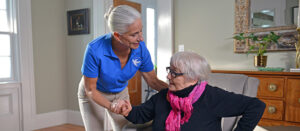
A professional caregiver from Visiting Angels can remind your loved one to take breaks from reading or watching TV throughout the day. We can also fill their day with different activities to prevent staying in one position too long.
Dehydration
Adults should drink six to nine cups of water a day. Unfortunately, seniors may not drink enough water, which can cause dehydration. Headaches, dizziness, and confusion can be signs of dehydration.
Visiting Angels caregivers can remind your loved one to sip regularly throughout the day and make healthy beverage choices. For example, we can swap sugary drinks for low-sugar options and moderate caffeine intake. We can also remind your senior to take a water bottle along when it’s hot out, as excessive heat can lead to dehydration.
Sleep, Nutrition, and Medication
Getting too little sleep due to health concerns such as sleep apnea, insomnia, or aches and pains can result in headaches. Talk with your senior and their doctor if you think poor sleep could be causing their headaches.
If your loved one gets migraine headaches, certain foods such as cheese, chocolate, alcohol, or caffeine can trigger headaches. Skipping meals or taking medication differently than prescribed can also result in a throbbing head.
Professional caregivers can remind seniors to take their medication on time and eat appropriate snacks and meals throughout the day. We can help with meal planning and preparation to help keep headaches at bay.